In the dynamic landscape of manufacturing, the integration of advanced technologies is reshaping how industries operate and innovate. One such revolutionary application is the use of ChatGPT for manufacturing, leveraging the power of artificial intelligence to enhance communication, streamline processes, and drive innovation within the sector.
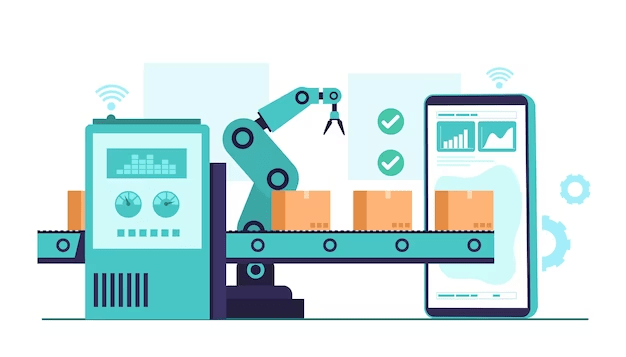
Source: https://www.leewayhertz.com/chatgpt-for-manufacturing/
The Role of ChatGPT in Manufacturing
ChatGPT for manufacturing harnesses the capabilities of OpenAI’s GPT-3.5 architecture, a state-of-the-art language model designed for coherent and context-aware conversations. This AI-driven tool becomes a linchpin in the manufacturing process, providing a versatile solution to address communication gaps, optimize workflows, and foster innovation.
Enhancing Communication in Manufacturing Processes
Effective communication is critical in the manufacturing sector, where seamless collaboration among teams, suppliers, and stakeholders is paramount. ChatGPT for manufacturing facilitates real-time communication, allowing teams to interact efficiently and address challenges promptly. Whether it’s coordinating production schedules, managing inventory levels, or troubleshooting issues on the factory floor, the contextual understanding capabilities of ChatGPT contribute to more authentic and relevant communication.
This improvement in communication translates to enhanced operational efficiency, reduced downtime, and a more agile response to the ever-changing demands of the manufacturing environment.
Streamlining Workflows with ChatGPT in Manufacturing
In addition to communication, ChatGPT for manufacturing proves invaluable in streamlining workflows. It can assist in inventory management, production planning, and quality control processes. By leveraging the capabilities of ChatGPT, manufacturing professionals can automate routine tasks, allowing for a more efficient allocation of resources and a reduction in manual errors.
For example, ChatGPT can be integrated into supply chain management systems, providing real-time insights into inventory levels, supplier statuses, and potential disruptions. This proactive approach to managing workflows enhances overall productivity and minimizes the impact of unforeseen challenges.
Driving Innovation through ChatGPT in Manufacturing
Beyond optimizing existing processes, ChatGPT for manufacturing plays a crucial role in driving innovation. The technology can aid in product development, suggesting improvements based on market trends, customer feedback, and emerging technologies. ChatGPT’s ability to process vast amounts of data and generate coherent suggestions contributes to informed decision-making in the innovation process.
For instance, during the design phase, engineers and product developers can collaborate with ChatGPT to explore new materials, design possibilities, and potential cost-saving measures. This not only accelerates the innovation cycle but also positions manufacturing companies at the forefront of technological advancements in their respective industries.
The Benefits of ChatGPT for Manufacturing Companies
- Improved Operational Efficiency: By enhancing communication and streamlining workflows, ChatGPT contributes to improved operational efficiency, reducing bottlenecks and increasing overall productivity.
- Cost Savings: Automation of routine tasks through ChatGPT leads to cost savings by minimizing manual errors and optimizing the allocation of resources.
- Informed Decision-Making: The data analysis capabilities of ChatGPT empower manufacturing professionals to make informed decisions, whether in supply chain management, production planning, or product development.
- Agile Response to Challenges: Real-time communication facilitated by ChatGPT enables manufacturing teams to respond quickly to challenges, reducing downtime and mitigating the impact of disruptions.
- Accelerated Innovation: By aiding in the innovation process, ChatGPT accelerates the development of new products and processes, helping manufacturing companies stay competitive in the market.
Challenges and Considerations in Implementing ChatGPT for Manufacturing
While the benefits of ChatGPT in manufacturing are substantial, there are challenges and considerations that companies must address during implementation:
- Data Security: Manufacturing companies often handle sensitive data, and ensuring the security of information processed by ChatGPT is crucial. Robust cybersecurity measures must be in place to safeguard against potential threats.
- Integration with Existing Systems: Seamless integration of ChatGPT with existing manufacturing systems and software is essential for maximizing its benefits. Companies should invest in solutions that allow for smooth collaboration between AI technologies and legacy systems.
- Employee Training: The successful implementation of ChatGPT requires adequate training for employees who will be interacting with the system. Providing training programs ensures that teams can effectively leverage the technology to enhance their workflows.
- Ethical Considerations: As with any AI technology, ethical considerations should be a priority. Clear guidelines and policies must be established to govern the ethical use of ChatGPT in manufacturing, addressing issues such as bias and transparency.
Future Prospects of ChatGPT in Manufacturing
As technology continues to evolve, the future prospects of ChatGPT in manufacturing are promising. The ongoing development of AI models, coupled with advancements in natural language processing, will likely result in even more sophisticated and tailored solutions for the manufacturing sector.
The integration of ChatGPT with other emerging technologies, such as the Internet of Things (IoT) and augmented reality, holds the potential to create a comprehensive and interconnected manufacturing ecosystem. This could further enhance real-time decision-making, automate complex tasks, and provide a holistic view of the entire manufacturing process.
Conclusion: Paving the Way for a Smart Manufacturing Future
In conclusion, ChatGPT for manufacturing is ushering in a new era of smart manufacturing. From improving communication and streamlining workflows to driving innovation, the benefits of integrating ChatGPT into manufacturing processes are evident. While challenges exist, the potential for enhanced operational efficiency, cost savings, and accelerated innovation positions ChatGPT as a transformative force in the manufacturing sector. As companies embrace and adapt to the evolving technological landscape, ChatGPT is set to play a pivotal role in shaping the future of manufacturing.
 AI News from Zoe